Garage Floor Coatingin Denver, Aurora, Longmont, Erie, Parker and across the Front Range
Epoxy garage floors, done better. We install polyaspartic, the coating that does not yellow, peel or stall curing in a cold garage. Ground, repaired and bonded into the slab, never rolled on.
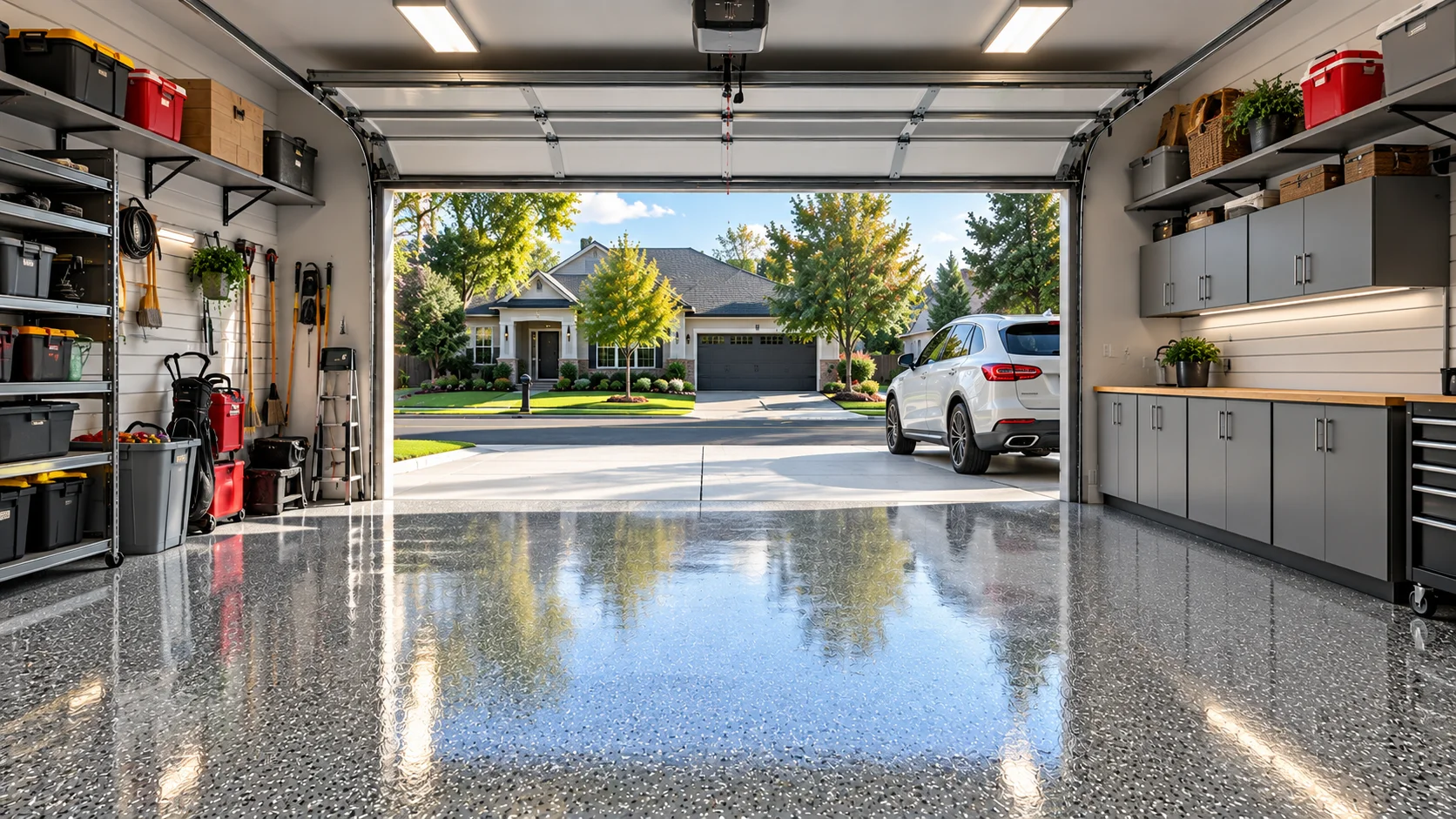
A garage floor takes a beating nothing else in the house comes close to. Hot tires park on it and twist. Road salt and magnesium chloride come off the wheels every winter and sit there. Snowmelt pools, freezes overnight and works into any crack it can find. Oil drips, tools drop, and the whole slab swings thirty or forty degrees between seasons. Coating it is not decorating — it is protecting the thing.
Why we install polyaspartic, not epoxy
UV yellowing. Epoxy ambers and chalks in Colorado sun at altitude. Polyaspartic holds its colour.
Hot-tire peel. Epoxy cures brittle and lifts when a hot tire twists on it. Polyaspartic stays flexible and stays bonded.
Time. Most of our garages are done in one or two days and you are back on the floor quickly. An epoxy system can keep you out for three to five days while it cures.
If you need epoxy specifically, we are not the right fit, and we will tell you that up front.
Hot tire pickup, and why most garage floors fail
Hot tire pickup is the classic garage floor failure and it is worth understanding, because it is the reason the cheap option is not a cheaper version of the same thing. A tire comes off the highway hot, parks on a coated floor, cools, and grips. When you back out, the tire lifts the coating off in a patch.
That only happens when the coating was never bonded properly. A floor ground open and coated into clean, bare concrete does not lift, because the bond to the slab is stronger than the grip of the tire. A floor rolled onto a smooth, sealed, power-trowelled surface will lift, every time, given a hot enough summer.
What a Colorado winter does to an uncoated slab
Salt and de-icer are the quiet problem. They get tracked in, dissolve in snowmelt, wick into porous concrete and then crystallise as the water leaves. That expansion inside the slab is what causes surface spalling — the flaking, pitted, dusty look on an older garage floor near the door.
Once that has started, a coating is a repair as much as an upgrade. We fill and re-profile the damaged areas before coating so the finished floor is flat and the salt has nowhere left to get in.
What you get
- Ground and bonded so hot tires cannot lift it
- Cracks, pits and spalled areas repaired before coating
- Full-broadcast flake for grip underfoot and to hide tire marks
- Polyaspartic topcoat rated for salt, snowmelt and UV
- Edges, steps and thresholds coated, not left bare
Open 24 hours — call or text anytime
Our expertise
How we approach garage floor coating
Garages are the bulk of what we do across Aurora, Erie, Longmont, Parker and Louisville, and they are not all the same job. A new three-car in Colliers Hill or Erie Highlands has a tight, power-trowelled slab in good shape that still has to be ground hard to open it up. A 1970s attached garage in Longmont or a century-old detached garage in Denver has cracks, dips and previous patches that all need resolving before anything gets coated.
The system most people end up choosing is a ground-and-bonded polyaspartic base coat, a full-broadcast vinyl flake to refusal, then scraped back smooth, cleaned and sealed under a polyaspartic topcoat. The flake is not just decoration: it builds texture underfoot so the floor is not slick when you walk in with snow on your boots, and it hides the dust and tire marks that show up instantly on a solid colour.
We also coat the things people forget to ask about — the step, the threshold at the door, the edges where the slab meets the wall. An uncoated edge is where water gets back under.
Garage Floor Coating questions
Do you install epoxy?+
No. We install polyaspartic. It bonds into ground concrete, holds its colour in Colorado sun and keeps curing in a cold garage, which epoxy does not. If you need epoxy specifically, we are not the right fit.
How much does a garage floor coating cost?+
Our coatings start at $4.25 per square foot and go up with the system. The honest answer for your garage depends on the condition of the slab and how much repair it needs, which is why the estimate is free and in person.
Do I have to empty the garage?+
Yes — we need clear access to the whole slab to grind it. We will talk through the timing when we quote so you are not moving everything twice.
Will it be slippery when I walk in with snow on my boots?+
Not with a flake system. The broadcast builds real texture into the surface, which is one of the main reasons we recommend it over a solid colour in Colorado.
Garage Floor Coating in Aurora, Longmont, Erie, Parker and beyond
Based in Northern Colorado and working throughout the region.
Other services we offer
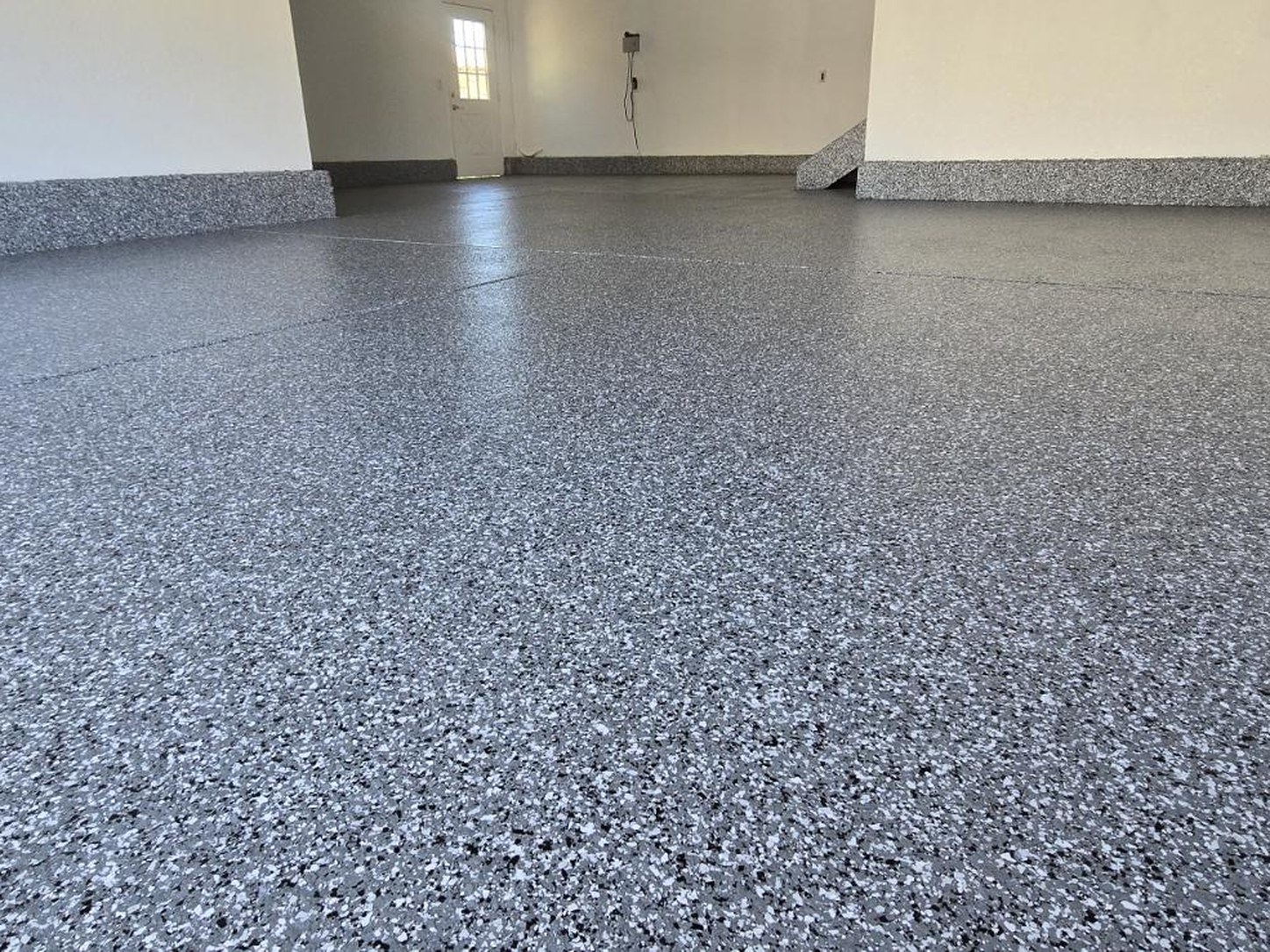
Polyaspartic Flooring
UV stable, fast curing, and it will still cure when the garage is cold. This is the topcoat that does the surviving.
Learn more →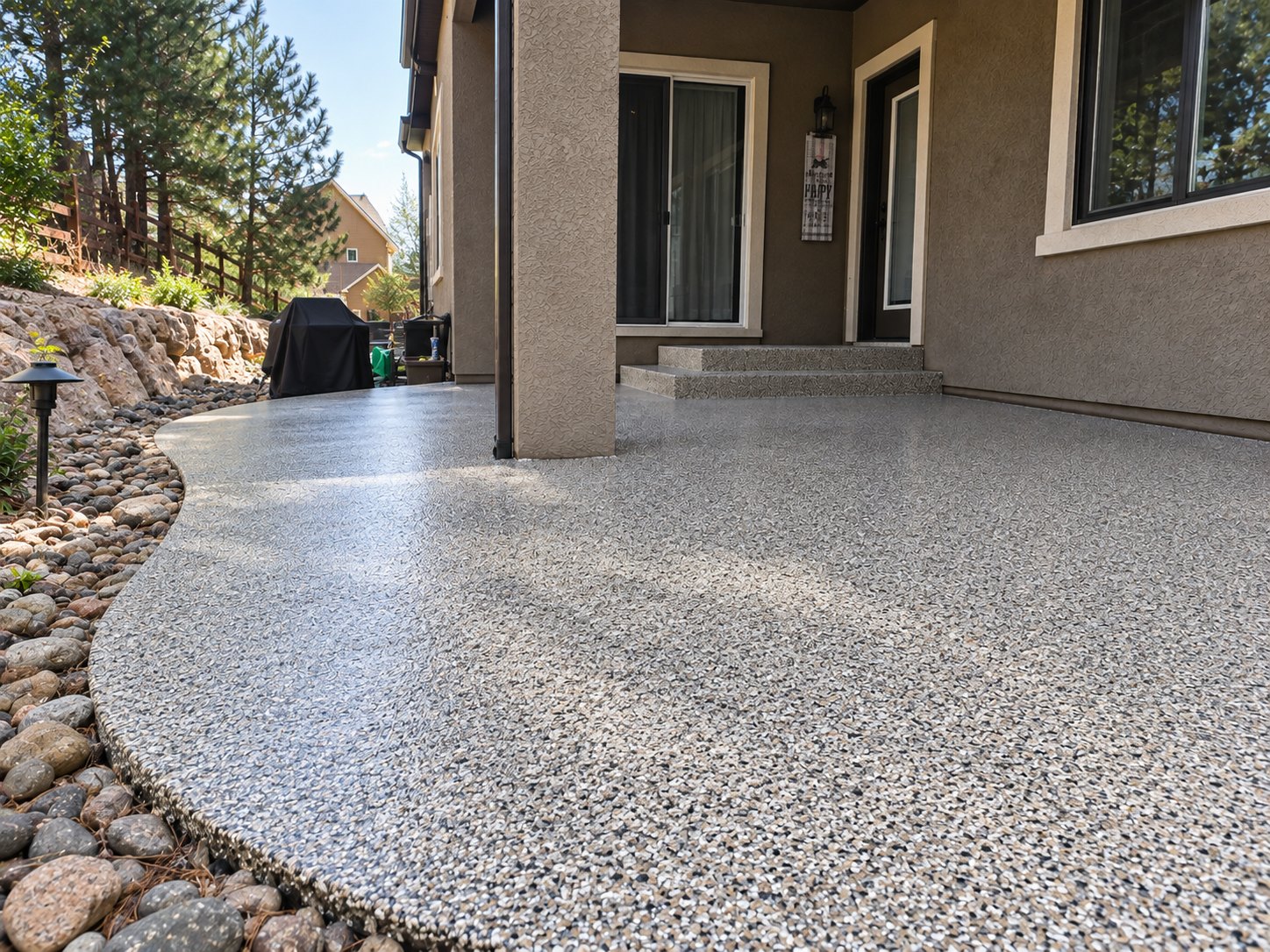
Patio Coating
Outdoor concrete at altitude gets punished. A patio coating has to survive UV, freeze-thaw and being walked on wet.
Learn more →
Residential Floor Coating
Garages, basements, laundry rooms and workshops — coated in a house that people are still living in, and left clean.
Learn more →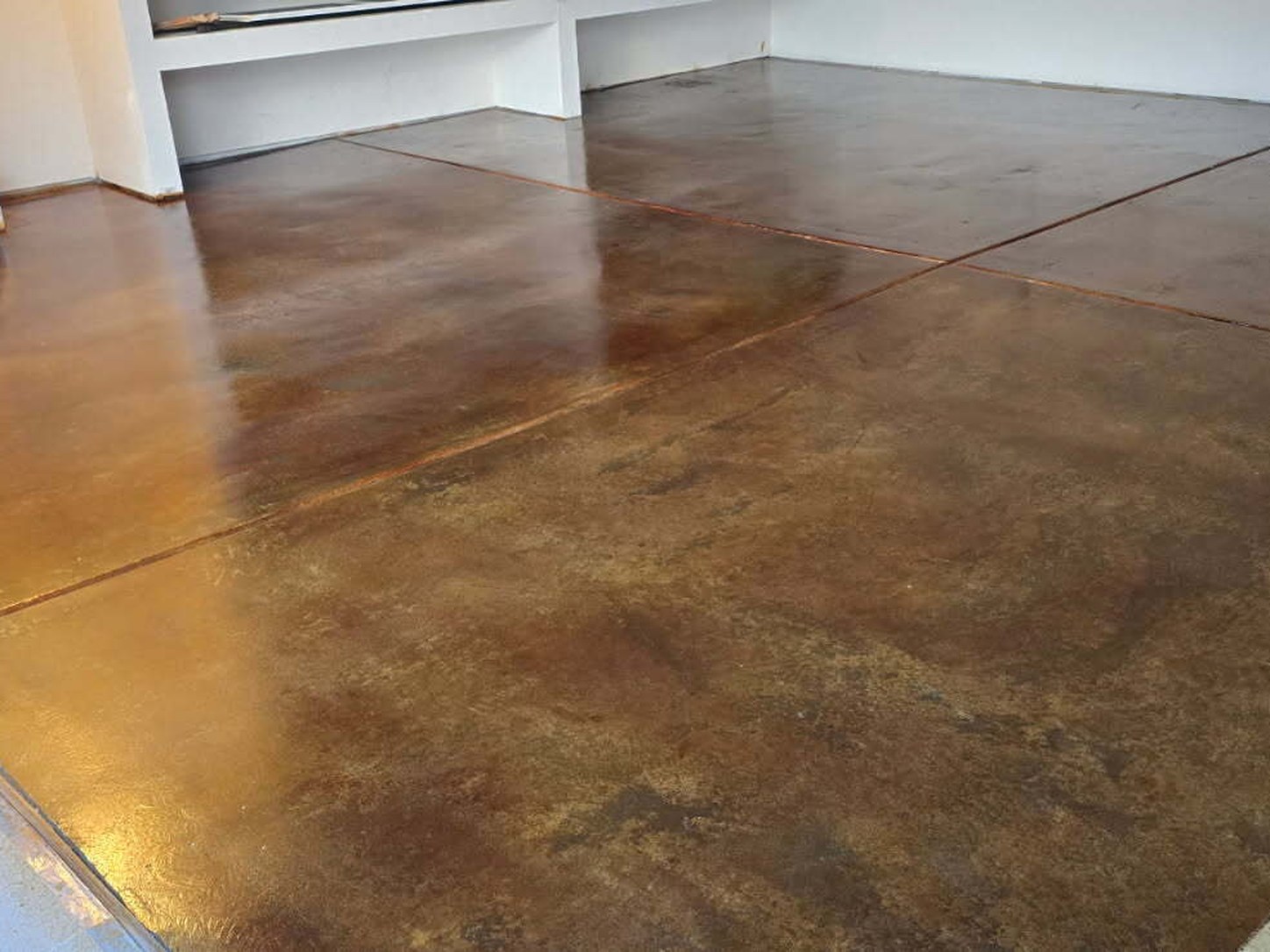
Commercial Floor Coating
A commercial floor has two jobs: survive the traffic, and not cost you trading days while it goes in.
Learn more →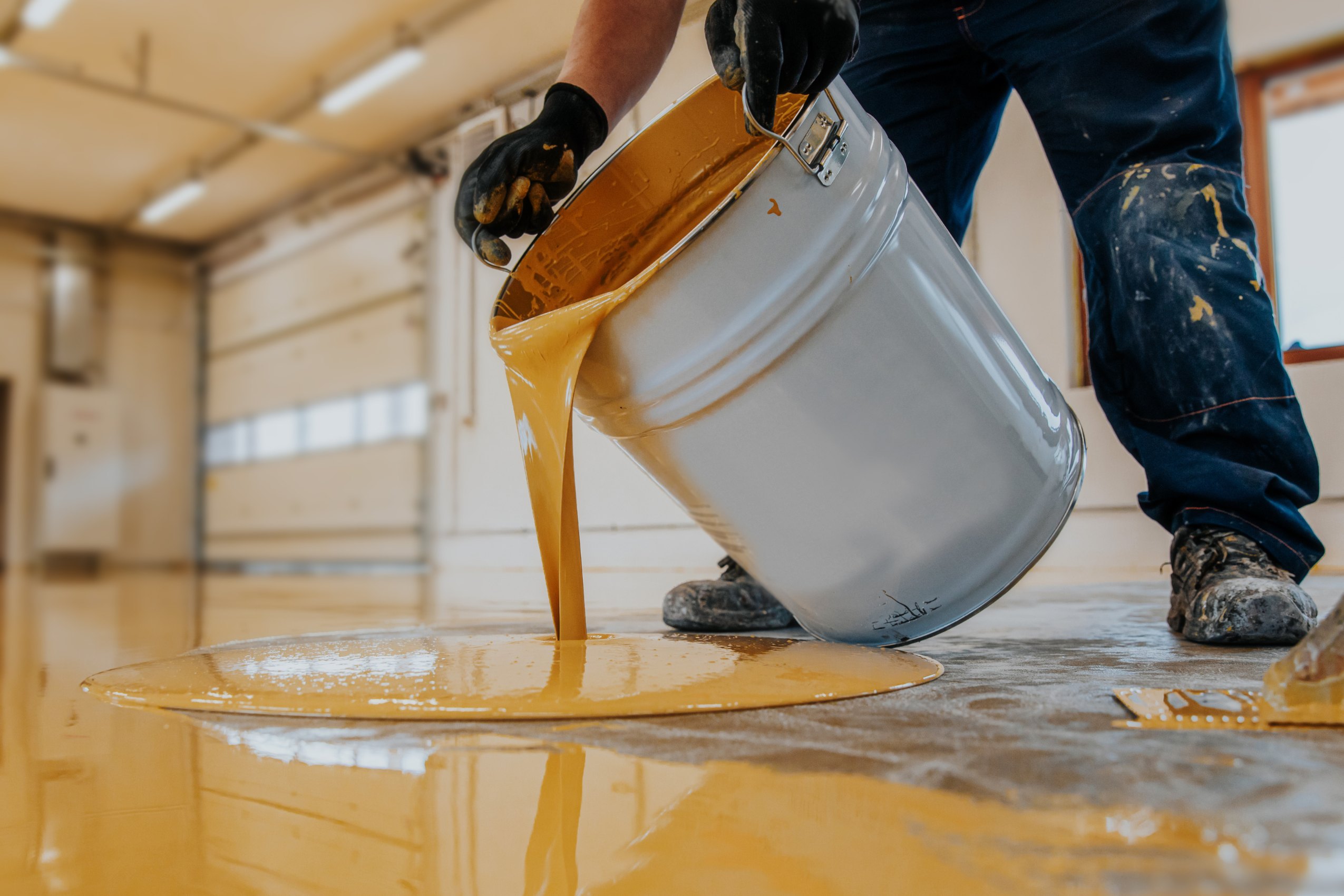
Industrial Floor Coating
Forklifts, pallet jacks, dropped tools and spilled everything. An industrial floor is specified for the worst day, not the average one.
Learn more →Get a price on your floor
Free estimates across Northern Colorado. Call or text Brock directly.